Narrow street access removals Kingston KT2 stairs parking issues
Posted on 18/06/2026
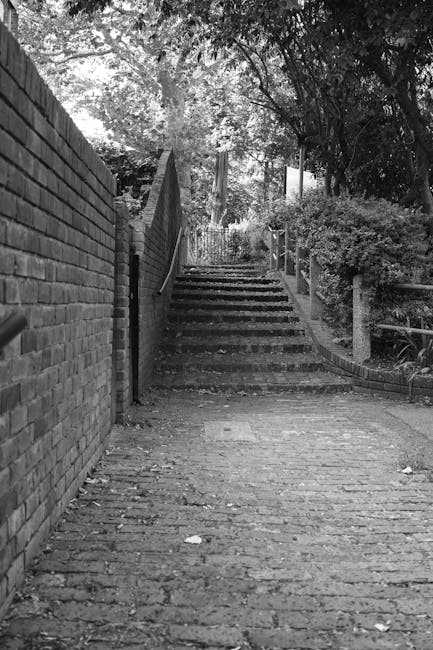
Narrow street access removals Kingston KT2 stairs parking issues: a practical moving guide for tricky Kingston homes
If you are planning a move in Kingston KT2 and already know the street is tight, the stairs are awkward, and parking is never simple, you are not alone. Narrow street access removals in Kingston KT2 can turn a straightforward move into a carefully choreographed job. One van too large, one blocked doorway, one missed parking space, and the whole day starts to wobble.
This guide breaks down what actually makes these moves difficult, how good removals planning works in real life, and what you can do to reduce delays, damage, and stress. We will also cover stair access, loading problems, parking pressure, and the kind of preparation that saves time when the route from the van to the front door is anything but easy.
Why Narrow street access removals Kingston KT2 stairs parking issues Matters
Kingston KT2 has a mix of residential streets, flats, converted houses, and older buildings where access can be more complicated than people expect. The problem is not just the size of the van. It is the whole chain of access: where the vehicle can stop, how far items need to be carried, whether the stairwell turns sharply, and whether neighbours have left enough room for unloading. That combination is what makes narrow street access removals Kingston KT2 stairs parking issues such a real planning challenge.
In practice, these moves are about reducing friction. If a crew has to park around the corner, carry a sofa up two flights of stairs, and negotiate a tight landing with a lamp hanging low overhead, every small delay adds up. And because removals are usually timed to the hour, not the week, even a modest delay can ripple through the rest of the day.
It also matters because the wrong assumptions cost money. A move that looked simple at quote stage can become more expensive if access is harder than described. That is why experienced movers ask detailed questions early. They are not being awkward. They are trying to avoid the classic "it looked fine online" moment that everyone knows too well.
If you are comparing providers, it helps to start with a broad understanding of the service options on the services overview and then narrow down to the move type that matches your property. A good first step is to think in terms of access, not just volume.
How Narrow street access removals Kingston KT2 stairs parking issues Works
These moves usually succeed or fail on preparation. Before moving day, the removals team will want to know where the vehicle can stop, whether there is on-street parking nearby, how many flights of stairs are involved, and whether any furniture has to be dismantled before it can pass through doors or landings. On a narrow street, a crew may need to use a smaller vehicle, stagger loading times, or split the move into several trips.
The process often begins with an access assessment. That might sound formal, but it is really a practical check: width of the road, parking restrictions, turning space, and walking distance from van to property. Stairs are checked too, especially if there is no lift or if the stairwell is steep, windy, or awkwardly shaped. These details change everything. A chest of drawers that is easy enough on a ground-floor move can become a real nuisance on a cramped second-floor landing.
For many KT2 homes, the move is managed with a mix of packing discipline and vehicle choice. A smaller vehicle may fit better on narrow roads. A larger removal van might still be the right choice if the route is clear enough, but the crew may need a second person on site to manage stairs and protect walls, bannisters, and corners. In some cases, a more flexible option like man with a van in Kingston can suit lighter loads and tighter streets, while a full house move may need a more structured approach through house removals Kingston upon Thames.
Parking is often the part people underestimate most. A van that cannot get close enough to the property creates more carrying distance, more time, and more handling risk. If parking is uncertain, it is worth discussing it early and being honest about what the street is like at the exact moving time, not just in a calm mid-morning snapshot. Let's face it, Kingston traffic does its own thing.
Key Benefits and Practical Advantages
There is a clear upside to planning difficult access properly. The move feels calmer, safer, and more predictable. That alone is worth a lot. But there are also practical benefits that matter to both homeowners and tenants.
- Less handling time: the closer the van can park, the fewer lift-and-carry movements are needed.
- Lower damage risk: fewer awkward turns on stairs means less chance of scuffed walls or bumped furniture.
- Better timing: access planning helps avoid the domino effect of a delayed start.
- More accurate quotes: good access information reduces surprises on the day.
- Smarter packing decisions: awkward items can be boxed, wrapped, or dismantled before the crew arrives.
There is also a human benefit that people do not talk about enough: confidence. When you know the parking plan, the stair route, and the likely bottlenecks, the move stops feeling like a guessing game. You can breathe a bit. That sounds simple, but it changes the day.
For larger or delicate items, a specialist service can help. For example, if you have bulky furniture to move through tight staircases, furniture removals Kingston upon Thames can be a better fit than a general same-day arrangement. And if your move needs to happen quickly because the property access window is tight, same day removals Kingston upon Thames can be worth exploring, provided the access details are clear.
Who This Is For and When It Makes Sense
This kind of planning is most useful if any of the following sound familiar:
- You live on a narrow residential street with limited or controlled parking.
- Your property has multiple flights of stairs, no lift, or a tight stairwell.
- You are moving from a flat conversion, maisonette, terrace, or period property.
- Your furniture includes awkward items such as wardrobes, sofas, beds, or pianos.
- You need to move at a specific time because of landlord, estate agent, or completion arrangements.
It also makes sense for anyone moving in or around Kingston where access can change quickly with school runs, commuter traffic, market activity, or neighbour parking habits. A street may look manageable at 9am and much less manageable by lunchtime.
Students, renters, first-time buyers, and families all encounter this, just in different ways. Students often need a compact, efficient move with minimal fuss; families may need more coordination and more furniture handling. If you are moving into a smaller flat, the challenge can actually be stairs plus parking plus tight internal spaces. In that case, flat removals Kingston upon Thames is often the most relevant route.
If you are relocating for work, and timing matters more than ever, it can also be sensible to review office removals Kingston upon Thames and student removals Kingston upon Thames where the moving patterns are different but the access logic is similar.
Step-by-Step Guidance
Here is a practical way to handle a difficult-access move without turning it into a drama. Not glamorous, maybe, but effective.
- Measure the access points. Check the width of the road, the distance from parking to front door, and the width of stair landings, door frames, and any tight turns.
- Photograph the route. A few phone pictures of the street, stairs, entrance, and any parking signs can be more useful than a long description.
- List the awkward items. Note anything large, fragile, or heavy. Sofas, mirrors, bed frames, washing machines, and pianos all deserve a mention.
- Share parking realities early. If the best space is often occupied, say so. If the van may need to wait, say that too.
- Ask about vehicle size. A smaller van may be better for a tight road; sometimes two smaller loads beat one over-ambitious trip.
- Pack by carrying logic. Put heavy items in smaller boxes. Keep stair-carry items manageable. No one enjoys a box that looks like it swallowed a radiator.
- Clear the route inside. Hallways, stair corners, and door thresholds should be free of loose items, mats, and clutter.
- Build in buffer time. A move with access issues should not be scheduled as if it were a wide-open warehouse loading bay.
If you want to reduce the number of separate issues to manage, start with packing and storage early. Packing and boxes Kingston upon Thames can help you think through box sizes and packing materials, while storage Kingston upon Thames is useful if you need to stage the move in parts because access is limited.
A small but useful point: stairs are easier to deal with when boxes are consistent. Oddly shaped boxes and overloaded bags are the first things that slow everyone down. The van may be ready, but the staircase will not forgive improvisation.
Expert Tips for Better Results
Experience teaches you a few habits that make a big difference. They are not flashy, but they work.
First, treat access as part of the inventory. Not just the furniture list. If the street is tight, that changes the move size. If the stairs are steep, that changes how items are packed and carried. If parking is uncertain, that changes the timing.
Second, ask for a realistic route plan. A good moving team will think through where the vehicle stops, who carries what, and which items need a second set of hands. This matters especially for period buildings and conversions, where landings can be narrow and stair angles can be awkward.
Third, keep one person focused on communication. It sounds minor, but it saves confusion. Too many people giving instructions at once can slow the move down. One clear contact on site is enough.
Fourth, do not underestimate weather. A damp stairwell, wet pavement, or a cold narrow street in the morning can make moving surfaces more slippery and more difficult to protect. It is one of those little details people forget until they are living it.
Fifth, be honest about what you can and cannot move yourself. If a piano, antique cabinet, or bulky wardrobe is involved, be realistic. For especially delicate or heavy items, specialist help is the sensible call. If that sounds familiar, piano removals Kingston upon Thames is the sort of service that exists for a reason.
And one more thing: check the end of the road as well as the start. In a narrow street, the van may be able to stop, but can it leave without reversing into a dead end of parked cars? That little question saves a lot of head-scratching later.

Common Mistakes to Avoid
Most problems in narrow street removals do not come from bad luck. They come from bad assumptions.
- Assuming the van can park directly outside. That is a hope, not a plan.
- Underestimating stair difficulty. A staircase that looks fine can still be very tiring with heavy items.
- Overpacking boxes. Heavy boxes on stairs are slow, awkward, and risky.
- Forgetting landlord or building rules. Some buildings are fussier than people expect about access times and shared entrances.
- Leaving dismantling too late. A bed that still needs to come apart on moving morning is a classic headache.
- Not checking restrictions. Parking controls, bay times, and loading rules matter even on a quiet-looking street.
One of the biggest mistakes is simply being vague. "It should be okay" is not enough when a van, a stairwell, and a short time window are involved. Better to say, "The road is narrow, parking is hit and miss, and the stairs turn sharply on the second floor." That detail helps everyone.
Another quiet problem is hidden cost pressure. If access is hard and the move has not been described properly, quotes can become harder to compare. It is worth reading about avoiding hidden charges in Kingston removals before you commit. A little admin now prevents a sigh later.
Tools, Resources and Recommendations
You do not need specialist equipment for every move, but the right basics make a big difference. In a cramped KT2 setting, these are the useful ones:
- Measuring tape: useful for stair widths, door frames, and furniture dimensions.
- Phone camera: quick photos of parking space, stairs, and entry route are genuinely helpful.
- Furniture blankets and wraps: useful for protecting corners and bannisters.
- Strong tape and proper boxes: weak boxes fail at exactly the wrong time.
- Basic toolkit: beds, tables, and shelving often need dismantling.
For local moving help, it is sensible to look beyond the obvious van hire question and think about the full move shape. If you are moving a lighter load through a difficult street, man and van Kingston upon Thames may be the more flexible option. For larger, fuller moves, a standard removal van Kingston setup is usually more appropriate.
It can also be useful to review the company background and wider approach to care, especially if you are trusting them with valuable items or tight access. Pages like about us, insurance and safety, and recycling and sustainability can help you judge whether the provider takes the work seriously. That is a good sign, simple as that.
Law, Compliance, Standards, or Best Practice
For most home removals, the key compliance questions are practical rather than legalistic. Still, there are a few important standards and expectations to keep in mind.
Parking and access rules: local parking restrictions, loading limits, and any building management rules should be respected. If a van blocks traffic or uses a restricted space, the move can be delayed or complicated. This is especially relevant in residential streets where space is limited.
Health and safety: movers should work in a way that reduces the risk of injury and damage. That includes sensible lifting, careful stair handling, good packing, and clear communication. If you are booking a provider, it is fair to ask how they approach risk and manual handling. You are not being difficult. You are being sensible.
Insurance awareness: you should understand what is covered and what is not. This is not about expecting problems; it is about being prepared if something breaks, scratches, or goes missing. A reputable mover will be able to explain the basics clearly.
Accessibility considerations: if the property has anyone with mobility needs, or if the route needs to stay clear for neighbours and visitors, that should be discussed in advance. Good removals planning is often just good neighbour planning.
For company policies and customer expectations, it can be useful to review the provider's own guidance such as health and safety policy, terms and conditions, privacy policy, and payment and security. These pages are not glamorous reading, admittedly, but they tell you a lot about how a business operates.
Options, Methods, or Comparison Table
There is no single best moving method for every narrow street or stair-heavy property. The right choice depends on access, volume, and timing. Here is a simple comparison to help.
| Option | Best for | Strengths | Limitations |
|---|---|---|---|
| Man and van | Smaller loads, short distances, flexible timing | Quick, adaptable, often easier on narrow roads | May be less suitable for very large moves |
| Full removal van service | House moves, multi-room moves, heavier furniture | Better capacity, more structured handling | Can need more space and planning |
| Flat removals service | Upper-floor flats, conversions, staircase-heavy properties | Built around access challenges | Still needs accurate parking information |
| Storage plus staged move | Moves with access limits or delayed handovers | Reduces pressure on moving day | Requires extra coordination and usually extra time |
If you are undecided, think about which factor is most restrictive: vehicle space, stair access, or timing. That usually points you to the right method. And yes, sometimes the cheapest-looking option is the most expensive once access gets messy. Annoying, but true.
Case Study or Real-World Example
Picture a typical KT2 move: a two-bedroom flat on an upper floor, a narrow residential road, and no guaranteed space directly outside. The residents assume the van can stop on the street for half an hour while boxes are brought down. On the day, however, a neighbour's car is already in the best spot, the stairwell is tighter than expected, and the sofa does not quite make the turn at the first landing.
Now compare that with a better-planned version of the same move. The team receives photos of the street and stairwell in advance. The couple moving out confirms the parking restrictions and the approximate carry distance. The sofa is dismantled the night before. Smaller boxes are used for books. A backup loading point is identified, just in case the first spot is unavailable. The move still takes effort, of course, but it feels controlled rather than chaotic.
That is the real difference. The same property. The same street. The same stairs. But one version drains the day and the other one just gets on with it. That is why access planning is worth doing properly.
In situations like this, local knowledge helps. If you want broader Kingston context while planning your move, the article on Kingston living and local advice can add useful background, especially if you are getting used to the area. And if your move is connected to buying or selling, buying Kingston property guidance and real estate services in Kingston may be helpful alongside the removals planning.
Practical Checklist
Use this before moving day. It keeps things calm and, honestly, saves a lot of back-and-forth.
- Measure the road width, stair widths, and any tight corners.
- Confirm where the van can stop and how long it can stay there.
- Take photos of the route from street to front door.
- List large, heavy, fragile, or awkward furniture separately.
- Check whether anything needs dismantling before the crew arrives.
- Use strong boxes and avoid overloading them.
- Clear hallways, landings, and stairs of clutter and loose items.
- Tell the removals team about any neighbours, gates, codes, or building rules.
- Prepare for weather, especially rain or icy surfaces.
- Keep key documents, valuables, and essentials with you.
- Have a backup plan if parking is taken when the van arrives.
If you are close to moving date and the access situation is still a bit messy, do not panic. A clear conversation with the mover can usually resolve more than people think. If the move is urgent, you can also review same day removals Kingston upon Thames for a quick response option, though the access details still need to be accurate.
Get a free quote today and see how much you can save.
Conclusion
Narrow street access removals Kingston KT2 stairs parking issues are not unusual, but they do need a bit more care than a standard move. When the street is tight, the stairs are awkward, and parking is uncertain, the best thing you can do is slow the planning down a little so the day itself can run smoothly. That trade-off is worth it every time.
The good news is that most access problems are manageable once they are properly described. Measure, photograph, communicate clearly, choose the right vehicle and service type, and keep the packing realistic. A move with constraints can still be a good move. Sometimes even a surprisingly calm one.
And if your move feels like one of those "this could be a bit of a faff" situations, that is fine. It is better to name the faff early than discover it halfway down the stairs.