Removals Kingston Bentall Centre moving tips
Posted on 29/04/2026
Removals Kingston Bentall Centre moving tips: a practical guide for smoother moves in Kingston
If you're planning a move near the Bentall Centre in Kingston, you already know the area can be a bit lively. Busy roads, shoppers, deliveries, tight access points, and the usual London moving day nerves can all pile up at once. That's exactly why Removals Kingston Bentall Centre moving tips are worth reading properly before the first box is sealed. A good move here is less about brute force and more about timing, planning, and knowing how to work with the local streets rather than against them.
In this guide, you'll find practical advice on how removals near the Bentall Centre work, what tends to go wrong, how to prepare, and how to make the whole thing feel calmer. Whether you're moving from a flat above the shops, a family home a few streets out, or an office space close to town, the same principle applies: get organised early, keep the load simple, and don't leave the awkward details until moving day. Honestly, that's where most stress starts.
For broader local context, you may also find it useful to read about removals in Kingston upon Thames, especially if your move extends beyond the immediate Bentall Centre area. And if you're still comparing service options, the services overview gives a useful snapshot of what can be arranged.
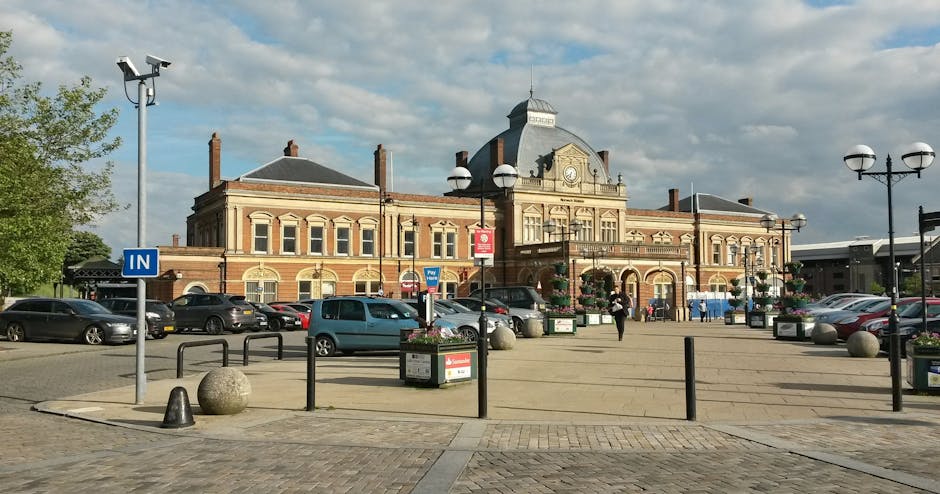
Why Removals Kingston Bentall Centre moving tips Matters
The Bentall Centre sits right in the middle of a busy part of Kingston, and that changes how a move feels from the very first minute. You may have limited roadside space, busy pedestrian areas, loading restrictions, and traffic that seems to appear the second a van turns the corner. The move itself might be straightforward, but the setting can make it feel ten times more complicated. That's the real reason local moving tips matter.
In our experience, the difference between a smooth removal and a frustrating one is often tiny things that people overlook. A sofa that's too wide for a stairwell. A van arriving during peak shopping traffic. Boxes not labelled by room. A lift booked but not reserved long enough. None of these are dramatic on their own, but together they can turn a decent plan into a long day.
Local knowledge matters too. Kingston's town centre is a mix of retail, residential, and office activity, so a move near the Bentall Centre often needs a more flexible approach than a quiet suburban street. If you understand the area, you can plan for access, parking, and timing much more realistically. That is the heart of it.
For readers who are also weighing local housing moves, the article on urban and suburban life in Kingston gives a good sense of why the area attracts so many different kinds of movers.
How Removals Kingston Bentall Centre moving tips Works
The basic process is simple, but each stage benefits from a bit of local planning. Think of it as reducing friction before the van even arrives. You identify what's being moved, confirm access, sort parking, pack properly, and then sequence the move so the team can spend time moving things, not waiting around. Sounds obvious. It rarely happens by accident, though.
A typical town-centre move near the Bentall Centre often follows this pattern:
- Survey the move - whether informal or more detailed, the aim is to spot access issues, volume, and fragile items.
- Plan the route - this includes the best van approach, where loading can happen, and how to avoid the busiest pinch points.
- Prepare packing - boxes, tape, protective wrapping, and labels should be ready before moving day.
- Protect the property - floors, door frames, and furniture need safeguarding, especially in flats and tight hallways.
- Load in the right order - heavy items first, fragile items secure, and essentials accessible.
- Deliver and place carefully - rooms should be labelled so boxes go where they belong, not in one giant pile.
For smaller or quicker moves, a man with a van in Kingston upon Thames can be a very practical option. For fuller relocations, a dedicated removal van service may be the better fit. It depends on volume, access, and how much handling your items need.
One detail people often forget: in busy town-centre areas, timing matters as much as transport. A move that starts thirty minutes too late can hit shop traffic, school traffic, and general Friday-afternoon chaos. Not ideal, to be fair.
Key Benefits and Practical Advantages
Good moving tips are not just about avoiding problems. They also make the whole process cheaper in practical terms, because time lost during a move often becomes extra labour, more vehicle waiting, or additional stress. Nobody wants to pay for inefficiency, even if it's hidden inside a long day.
Here are the main benefits of approaching a Bentall Centre move properly:
- Less wasted time - proper planning means fewer delays loading and unloading.
- Lower risk of damage - correctly packed and labelled items are easier to move safely.
- Better access management - you can work around tight roads, lifts, and staircases more effectively.
- More predictable costs - fewer surprises usually mean fewer unnecessary extras.
- Less disruption - important if you're moving from a flat, an office, or a home with children or pets.
There's also a mental benefit. A good move feels manageable. That matters more than people admit. Once boxes are labelled and the van is booked, the moving day suddenly stops feeling like a mystery and starts feeling like a project with steps you can actually control.
If your move includes bulky pieces or awkward furniture, it can be worth reviewing furniture removals in Kingston early in the process, because large items often shape the whole moving plan.
Who This Is For and When It Makes Sense
This topic is most useful if your move is happening anywhere around Kingston town centre, especially near the Bentall Centre, where access and timing can be trickier than in quieter neighbourhoods. But it's not only for large moves. Smaller, quicker, and more awkward moves can benefit even more from local know-how.
You'll find these tips especially helpful if you are:
- moving from a flat with stairs or lift access that needs booking;
- relocating a family home with several rooms of furniture;
- moving a small office or workspace near the town centre;
- managing a same-week move because of lease timing or a completion date;
- transporting heavy or delicate items that need careful handling;
- trying to reduce the time the van spends idling in a busy area.
Students and shared-house movers also run into this issue a lot, especially if their belongings are spread across several boxes, a desk, and the inevitable "miscellaneous" pile that somehow grows overnight. If that sounds familiar, the student removals service is worth a look. If you're moving a flat rather than a house, the flat removals guide is also practical.
Sometimes the question is not "Can I move this myself?" but "Should I?" If you've got a busy schedule, limited parking, or a load of fragile items, professional support can save a lot of hassle. Truth be told, trying to improvise on the day is where many moves start to wobble.
Step-by-Step Guidance
Here's a clean way to approach a move near the Bentall Centre without overcomplicating it. Follow the order below and you'll avoid most of the common headaches.
1. Confirm your moving window early
In busy parts of Kingston, choosing the right day and time is a big deal. Mid-morning or early afternoon may work better than a rushed start during peak commuter traffic, but it depends on your access and the building rules. If your property has a lift booking system or restricted loading times, build your plan around that first. Not the other way around.
2. Check access before you book the van
Look at the route from the road to your front door. Are there narrow pavements, steps, a shared entrance, or a lift that's likely to be busy? Can the vehicle stop close enough to the entrance without causing problems? These details shape the size of vehicle you need and how many people should help.
3. Sort your boxes by room and priority
Label boxes clearly with both room and contents, and keep a separate "first night" box for essentials. That box should include chargers, toiletries, kettle items, basic tools, medication, and anything else you'll want before you've fully unpacked. Small thing, huge difference.
4. Protect the awkward items first
Mirrors, TVs, glass shelving, lamps, and soft furnishings all need extra care. If you're moving with children around, try to pack the fragile pieces away from the main rush. A busy hallway and a loose lamp shade do not mix well.
5. Decide what should travel and what shouldn't
Moving day is the best time to be ruthless. If something is damaged, unused, or not worth carrying, consider whether it should be recycled, donated, stored, or discarded responsibly. The area around the move can stay much calmer if you reduce volume before the van arrives. If you need help with off-site holding, storage in Kingston can bridge the gap nicely.
6. Load in the right sequence
Heavier and sturdier items usually go in first, then medium-weight boxes, then fragile pieces that need secure positioning. The final things on the van should be the items you'll need first at the destination. That way you're not climbing over a fridge to find a kettle. Been there, not fun.
7. Do a final sweep before leaving
Check cupboards, windows, meters, under beds, behind doors, and the loft if you have one. It sounds obvious until someone finds a set of keys in a kitchen drawer after the van has already gone. Mild panic. Very avoidable.
Expert Tips for Better Results
There are the obvious tips everyone gives, and then there are the ones that save real time. The ones below are the latter.
- Use colour coding by room - a simple colour on each box makes unloading faster than reading every label.
- Keep hardware together - screws, brackets, and TV mount parts should be taped to the item or sealed in a clearly marked bag.
- Photograph cable setups - one quick phone photo can save twenty minutes later.
- Wrap drawers carefully - empty drawers reduce weight and wobble, especially on stairs.
- Tell neighbours in advance if needed - a polite note can help if access will be temporarily disrupted.
- Use decent box quality - weak boxes collapse at the worst moment, usually when the bottom one has had enough.
If you're choosing between providers, it can help to compare more than just the headline price. A low quote may look good until you realise it excludes packing, insurance, waiting time, or furniture handling. The broader removal services page is a good place to understand what can be included.
One practical tip from moving day reality: keep snacks and water within reach. It sounds tiny. It isn't. People make worse decisions when they're tired and hungry, especially after carrying a wardrobe down three flights of stairs.

Common Mistakes to Avoid
Most moving mistakes are not dramatic. They're small planning slips that snowball once the van arrives. If you can avoid these, you're already ahead.
- Booking too late - town-centre schedules fill up quickly, especially on popular moving days.
- Underestimating access issues - a property that looks simple on a map may be awkward in practice.
- Poor labelling - "misc box" is not a strategy, it's a future headache.
- Overfilling boxes - books and kitchenware become dangerously heavy fast.
- Forgetting parking or waiting restrictions - this can slow everything down before the first item is moved.
- Leaving fragile items unprotected - towels are useful, but proper wrapping is better.
- Not planning for the first night - no one wants to hunt for a toothbrush at 11 p.m.
Another quiet mistake is not checking service terms. It's worth reading the terms and conditions, especially if your move has a fixed time window or special handling needs. Likewise, if you want to understand how a provider approaches trust and responsibility, the about us page and insurance and safety information are both sensible reads.
And yes, there's always one item you'll forget to label. Usually it's the box you need first. Funny in hindsight, slightly annoying in the moment.
Tools, Resources and Recommendations
You do not need a mountain of kit to move well, but a few good tools can make a surprising difference. The goal is to make the move safer and easier, not to turn your living room into a warehouse.
| Tool or Resource | Why it helps | Best use case |
|---|---|---|
| Sturdy double-walled boxes | Hold weight better and reduce collapse risk | Books, kitchen items, mixed household goods |
| Packing paper and bubble wrap | Protects fragile items from knocks | Glassware, ornaments, electronics |
| Furniture blankets | Reduces scuffs and corner damage | Sofas, tables, wardrobes |
| Labels and marker pens | Makes unloading quicker and more organised | Every room, every move |
| Storage solution | Useful if completion dates or access timings do not line up | Split moves, delayed handovers, decluttering |
If you want packing support rather than doing everything yourself, the packing and boxes service is a sensible place to look. For moves that need a faster turnaround, the same-day removals option may also be relevant, though it works best when access is straightforward and the volume is manageable.
For more local buying and property context, the guide on buying Kingston property is useful if your move is tied to a purchase or investment decision. If you're working with estate agents or vendors, the article on real estate services in Kingston helps connect the dots a bit.
Law, Compliance, Standards, or Best Practice
For most home moves, compliance is less about complex legal detail and more about sensible best practice. Still, there are a few points worth keeping in mind.
First, parking and loading around town centres can involve restrictions. Local conditions change, so it's wise to check access rules in advance rather than assuming a van can stop anywhere. Second, building management in flats or mixed-use properties may have their own move-in or move-out procedures, including lift booking, corridor protection, or time limits. If you're in a managed building, ask early.
Third, if a removals company is handling your move, you should expect clear information about safety, insurance, and how items are protected. Good practice includes careful lifting, secure loading, and clear communication about what is and isn't covered. You can review a company's public-facing health and safety policy and modern slavery statement if you want a better sense of its standards and responsibilities.
Environmental care can also be part of good moving practice. Reusing boxes where they're still strong, separating recyclables, and avoiding unnecessary waste all help. The recycling and sustainability page is a useful reference if you're trying to keep the move more responsible. Small effort, but it adds up.
And if you're ever unsure about a policy, procedure, or payment step, use the official support pages. That is better than guessing, every time.
Options, Methods, or Comparison Table
Different moves near the Bentall Centre need different approaches. There's no single perfect method. The right one depends on volume, access, timing, and how much lifting you want to do yourself.
| Option | Best for | Main advantage | Potential limitation |
|---|---|---|---|
| DIY move with hired van | Smaller loads, flexible schedules | More control over timing | More physical work and planning needed |
| Man and van | Flat moves, short-distance relocations, fewer items | Efficient and usually simpler to coordinate | May not suit large household contents |
| Full removals service | Family homes, bulky furniture, larger or more complex moves | Less stress and more hands-on support | Usually needs more advance booking |
| Storage plus removals | Delayed completion or staged moves | Flexibility when dates do not align | Extra handling and planning required |
If you're still deciding, a good rule is this: the more access challenges, the more likely you are to benefit from a fuller service. A smaller move with easy lift access may suit a man and van in Kingston. A bigger household move often calls for a more complete house removals service.
Case Study or Real-World Example
Picture a realistic Kingston move. A couple is leaving a two-bedroom flat just off the Bentall Centre area and moving a few streets away. On paper, it looks simple. In reality, the building has a narrow entrance, a lift that can only take one large item at a time, and a road outside that gets busier later in the morning. One of them also works from home, so the move has to happen without the day becoming a total write-off.
They start by sorting everything into keep, donate, and discard piles. They book the move early enough to avoid a last-minute scramble. They label each box by room and keep a separate essentials bag with chargers, toiletries, snacks, and work bits. Their sofa and dining table are wrapped properly, and the heaviest boxes are loaded first so the van is balanced. They also make sure the lift is booked for a longer slot than they think they need, which turns out to be a very good call.
What made the move smoother wasn't one dramatic trick. It was a hundred small decisions that reduced friction. No one was hunting for tape. No one was standing around wondering what to do next. The day still felt busy, because of course it did, but it stayed manageable. That's really the whole point.
For a similar move with less volume, a quick local service can work well. For a larger family home or mixed furniture load, the extra support is usually worth it. If there's a piano, unusual artwork, or very heavy furniture involved, specialised handling is even more important. In those cases, look into piano removals or more tailored item-specific help rather than assuming standard transport will do the job safely.
Practical Checklist
Use this checklist in the week before your move. It's simple, but it works.
- Confirm your moving date, time, and access arrangements.
- Check parking/loading restrictions near the property.
- Book lift access if your building requires it.
- Order enough boxes, tape, wrap, and labels.
- Pack a first-night essentials bag.
- Label every box with room and contents.
- Disassemble furniture where possible.
- Photograph electronics and furniture fittings before disconnecting them.
- Separate valuables and important documents.
- Arrange storage if your dates do not line up.
- Tell neighbours or building management about any disruption.
- Do a final check of cupboards, loft spaces, and sockets.
Expert summary: the best Bentall Centre moves are not the fastest ones, they're the ones that are calm, well-timed, and well-labelled. A little prep saves a lot of shuffling about on the day.
If you're ready to ask questions or want support tailored to your move, the quickest next step is to speak with the team through the contact page and describe your access, dates, and item list clearly. That one conversation can save a surprising amount of back-and-forth later.
Conclusion
Moving near the Bentall Centre does not have to be chaotic. Yes, Kingston town-centre traffic can be awkward. Yes, access can be tighter than you'd like. But with the right approach, the whole thing becomes far more manageable. The key is to plan around the local reality rather than hoping the day will somehow sort itself out.
Good Removals Kingston Bentall Centre moving tips are really about three things: knowing the space, protecting your belongings, and choosing the right level of help. Get those right and the move feels lighter, even if the boxes are not. Get them wrong, and the day tends to drag. Simple as that.
Get a free quote today and see how much you can save.
Whatever stage you're at, take it one step at a time. The move will pass, the boxes will be unpacked, and sooner than you think you'll be standing in the new place with the kettle on, feeling that small and very welcome sense of relief.